What is the Oyster Card?
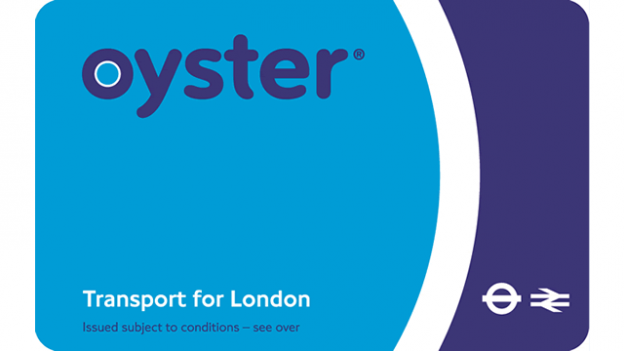
An Oyster card is a contactless smartcard that holds credit for pay as you go travel, compatible Travelcards and bus and tram passes. It works on buses, the Underground, trams, DLR, London Overground, Elizabeth line and many National Rail services within its area of validity. It does not cover the entire railway network: for example, it is not accepted at Elizabeth line stations between Reading and Iver.
Pay as you go
With pay as you go, you add credit before travelling. The cost of each journey is deducted from that balance. On the Underground, it usually costs less than buying paper single tickets; you do not need to choose a pass for specific zones in advance.
Pay as you go credit does not expire, so you can keep the card for another trip. If you would rather recover your balance, there are several ways to do so, explained in the refunds section below.
How much does an Oyster card cost?
A new standard Oyster card costs £10.50, according to TfL as of 15 October 2026. This pays for the card: it is not travel credit or a refundable deposit. You then add the credit you need.
For example, if you buy two new cards and load £20 onto each, you will pay 2 × £10.50 + 2 × £20 = £61. Only £40 will be travel credit; the other £21 pays for the cards. If you already have a valid Oyster, you do not pay its issue cost again. Check the official price before buying.
Older cards have different refund conditions depending on when they were bought; do not assume the cost of a new card applies to them.
Where to buy your Oyster Card?
You can buy a standard Oyster card at:
- All Underground stations and most London Overground and Elizabeth line stations.
- Authorised Oyster Ticket Stops.
- TfL Visitor Centres.
- London City Airport DLR station.
- The Tramlink Shop in Croydon.
- TfL online, if you live in the UK. For delivery before travelling from another country, see our Visitor Oyster card guide: this is a different product.
To top up, use Underground station ticket machines or other authorised outlets. Not every tram or DLR stop sells cards or offers the same facilities. TfL also offers top-ups through TfL Go; check the conditions for the method you choose.
At Heathrow, you can buy an Oyster at Underground stations. Gatwick and Stansted have outlets selling visitor products, but buying a card does not mean you can use it on the train from that airport: Oyster is not valid at Stansted Airport. For that journey, see our Stansted guide and the operator’s conditions.
Benefits of the Oyster Card
- Considerable time savings by not having to queue at vending machines.
- It’s cheaper than buying single tickets.
- Much more convenient as you don’t have to worry about carrying cash to ride the Tube.
- If you lose it, registering it beforehand lets you request balance protection or a replacement, subject to TfL’s conditions. Report the loss promptly; do not assume replacement is free.
- You can lend an Oyster that only holds pay as you go credit, but not one with a Travelcard, Bus & Tram Pass or discount. Two people cannot use the same card for the same journey.
- Daily capping limits what you pay for eligible journeys that day. The cap depends on the zones and does not automatically include every service; we explain how it works below.
- Young people and student discounts: 16+ Zip and 18+ Student photocards have different requirements and benefits. Being a visiting student does not automatically qualify you for the 18+ discount; families should also see our guide to travelling with children.
- Oyster and contactless: both offer pay as you go and spending caps, but their coverage and discounts are not identical. A bank card does not replace an Oyster with a discount loaded onto it.
How Oyster fare capping works
The system adds up eligible journeys until you reach the relevant cap. In 2026, the adult daily cap for Zones 1–2 is £8.90. If you travel less, you pay less: you are not automatically charged that amount just for leaving your hotel.
The travel day runs from 04:30 to 04:29 the following day. The adult weekly cap runs from Monday to Sunday, rather than for seven days from your first journey. Keep touching in and out after reaching the cap. Travelling beyond your planned zones or using excluded services changes the calculation; check TfL’s caps and conditions.
How to use the Oyster Card?
Touch your Oyster on the yellow reader when entering and leaving the Underground, DLR, Overground, Elizabeth line and trains that accept it. On buses and trams, you generally only touch in when boarding; tram interchanges at Wimbledon and some other stations have specific TfL instructions.
Some interchanges have pink readers. These show that you took a route avoiding Zone 1; they are not found at every interchange and do not replace touching in and out on yellow readers. For example, on a journey from Stratford to Richmond via Clapham Junction, touch the pink reader when changing trains so the system does not assume you travelled through Zone 1. Check whether this applies to your route in TfL’s fare finder.
If you do not touch in or out, your journey may be incomplete and result in a maximum fare. This is different from a penalty fare, although travelling without touching in can also lead to a penalty. An incomplete journey charge does not count towards capping. The amount depends on the journey and current conditions.
Touch out even if the gates are open. In certain crowded situations, TfL may try to complete your journey automatically, but you should not assume every missed touch-out will correct itself. If you cannot touch out, tell staff and check your journey history afterwards.
If you see a green light and the gate opens, go through as normal. If the card is not accepted, check the balance or ask staff for help before continuing. A closed gate does not always mean you have insufficient credit.
If you enter and leave the same station without travelling, you may be charged depending on the time elapsed. If this is because of a disruption, speak to staff before leaving and check how to claim; the outcome is not the same in every case.
Oyster Card Validation
Take your Oyster card out of your wallet and touch it alone on the reader. This helps prevent another bank card being read by mistake. Check which payment method was used before trying again: journeys paid with another card do not count towards your Oyster cap.
Refunds and Problems on the Tube
For a maximum fare charged for an incomplete journey, check your TfL account. TfL says to wait at least 48 hours before claiming, as many adjustments are processed automatically; you have up to eight weeks from the journey to apply. For help, call 0343 222 1234. Check which type of refund applies.
If you want to recover credit because you no longer need the card, the procedure is different. TfL allows online applications and, if the remaining balance is £10 or less, refunds at Underground station ticket machines. Your Oyster is cancelled when this refund is processed: if you plan to return to London, consider keeping it with its credit. Check the unused credit refund conditions; the non-refundable cost of a new card is not recovered this way.
You can check journeys, payments and top-up options in your account and in TfL Go, depending on your card type and its compatibility.
Oyster Card and Contactless
Since 2014, compatible contactless bank cards have been accepted on services that support them, without buying or topping up Oyster. For an adult without discounts, many journeys within London have the same pay as you go fares, but coverage and benefits are not identical everywhere. Contactless cannot hold Oyster child or Railcard discounts. Check your bank’s compatibility and charges too; our contactless guide explains further.
Alternatives to the Oyster Card
Start with your circumstances when choosing. If you are an adult without discounts and your bank supports these payments at charges you are happy with, contactless avoids buying a new Oyster. If you already have a valid Oyster, its issue cost is no longer a difference: compare your journeys and your bank card’s conditions.
Oyster can be useful for keeping a separate transport budget or loading a compatible discount. If you are travelling with a child aged 11–15, ask about the Young Visitor discount: it gives half adult-rate pay as you go travel for up to 14 days, subject to TfL’s conditions. The child must be present when staff activate it; buying an Oyster does not activate the discount automatically.
Do not assume Oyster removes all bank charges either: buying or topping it up with an overseas card may incur your issuer’s fees. Compare those charges and the card’s cost with using contactless directly. To choose between products, see how to use the London Underground, our Travelcard guide and our Visitor Oyster guide.
Additional Tips
- Auto top-up: once set up and activated, this adds £10, £20 or £40, as you choose, when your balance falls below £20 as you touch a yellow reader to start a journey. It requires a valid payment method. Check the activation and cancellation process; leaving a pending request on the website is not enough.
- Card registration: register your standard Oyster to manage your account and protect your balance if it is lost or stolen. Visitor Oyster cannot be registered in the same way; the products are not interchangeable for this process.
- Sharing use: if it only holds pay as you go credit, you can lend it for another journey. If it holds a Travelcard, Bus & Tram Pass or discount, you cannot lend it. Each fare-paying passenger needs their own card for the same journey.
By following these tips and using the Oyster Card correctly, you can enjoy a more economical and comfortable journey on London’s public transport.
Last updated: 15 October 2026
This entry is also available in: